


Dipropylene Glycol (DPG): From Perfume Bottles and Face Creams to Paint Buckets — A "Low-Key All-Rounder"
- 2026-11-10
- 2026-11-09
- 2026-11-09
- 2026-11-06
The perfume you spray on before heading out in the morning can linger on your collar for hours; the lipstick on your vanity glides on smoothly and keeps your lips moisturized without drying or cracking; even the freshly painted wall dries to a smooth, even finish with no unsightly orange-peel texture. These three seemingly unrelated things may all owe their performance to the same "behind-the-scenes supporting player" — Dipropylene Glycol (DPG).
It is a low-molecular-weight, gentle diol with a faint odor, low toxicity, and strong solvency — one of the most commonly specified solvents in fragrances and cosmetics. Without it, many of the "skin feel" and "scent longevity" effects you take for granted would be hard to achieve.
I. "Gentleness" Is Its Strongest Card
In skincare products, safety is a deal-breaker. DPG causes minimal skin irritation and has very low toxicity — this is the prerequisite for its free use in perfumes, cold creams, body washes, deodorants, skincare lotions, and even lipsticks. After all, no formulator would dare put a harsh, irritating ingredient on the lips.
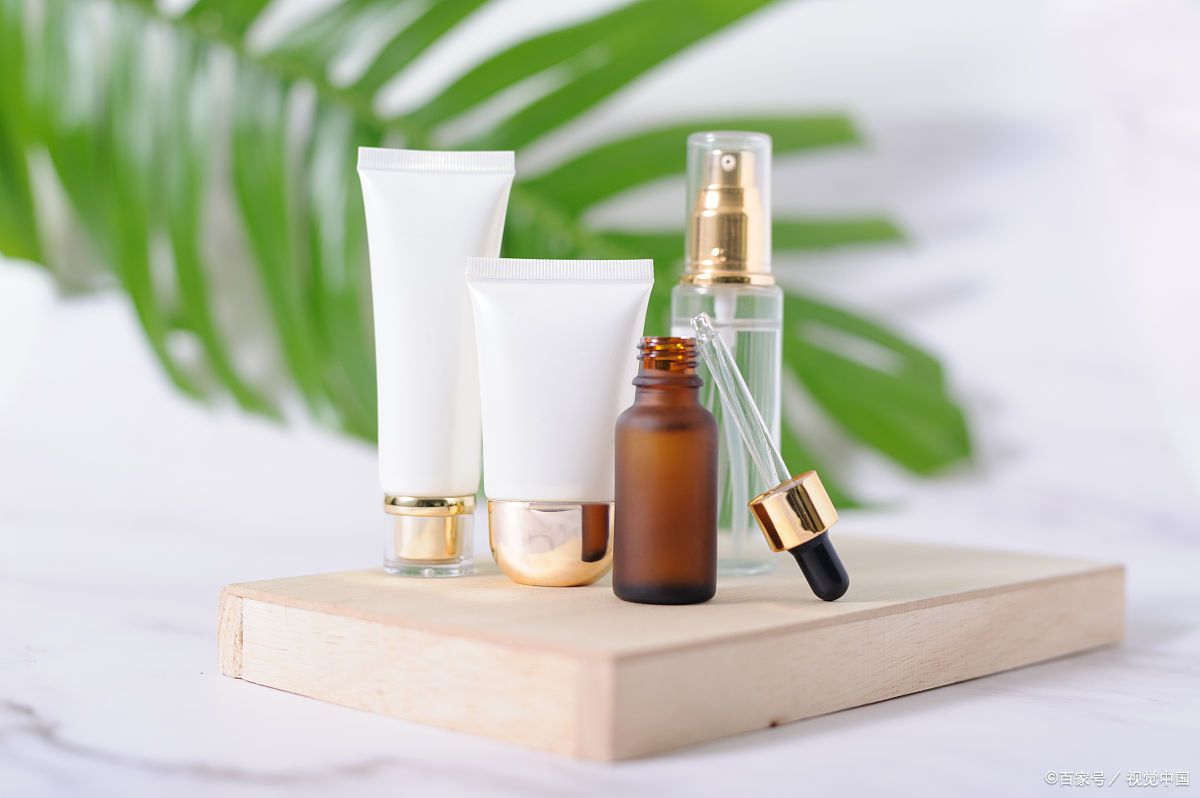
Meanwhile, with a boiling point of about 232°C and slow evaporation, it gives products a stable, smooth "temperament": good leveling, never stealing the show, letting fragrance oils and lipids each settle into their proper place.
II. It Can "Dissolve" — and It Can "Moisturize"
DPG's solvency is famously "omnivorous": fragrance oils, lipids, resins — it dissolves them all and blends them smoothly, making it a classic "universal solvent + coupling agent" in formulations. For a perfume to last, it relies on DPG to distribute the fragrance evenly; for a face cream to moisturize, it relies on DPG's mild hygroscopicity to keep water within the system; even the smooth skin feel of a lipstick depends on DPG quietly harmonizing everything behind the scenes.
III. Three Industries, All of Which It Serves
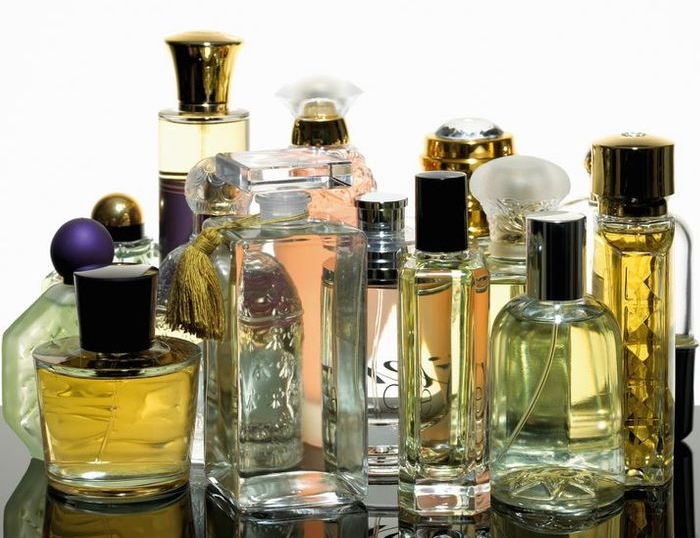
Fragrances & Personal Care — Perfumes and eau de toilettes use it as a solvent for longer-lasting scent; in skincare lotions, body washes, face creams, and lipsticks, it acts as both a moisturizer and a coupling agent, improving skin feel and stability.
Coatings & Inks — As a high-boiling, slow-evaporating solvent, it adjusts drying rates and improves leveling, preventing defects like "orange peel" and "cissing" that plague painters and engineers alike, thereby enhancing coating film quality.
Unsaturated Polyester Resins — As a reactive diluent, it can replace part of the styrene, reducing system viscosity and improving processability, while also participating in the curing reaction and helping to cut VOC emissions. In today's world of mounting environmental pressure, this is particularly valuable.
IV. More "Hidden Skills"
Beyond that, DPG also serves as a solvent for shellac varnish and castor oil, and can be used in the production of plasticizers, fumigants, and synthetic detergents — earning it a place from personal care to industrial applications.

In one sentence: DPG is not the type of ingredient that takes center stage, yet it is the "unsung hero" behind a better-smelling perfume, a more moisturizing face cream, and a smoother coating film. Next time you pick up a long-lasting perfume or see a mirror-smooth painted surface, you might just think of it — low-key, yet everywhere.
Disclaimer: Some images or text are cited from publicly available online sources. If there is any infringement, please contact us for removal.